
Eco-Friendliness and Sustainability of Drinkware: The Change We Can Make
As environmental issues become increasingly critical, eco-friendliness and sustainability have garnered global attention. Drinkware, an indispensable part of our daily lives, plays a significant ro…

As environmental issues become increasingly critical, eco-friendliness and sustainability have garnered global attention. Drinkware, an indispensable part of our daily lives, plays a significant role in this trend. This article explores the importance of drinkware in environmental protection and sustainable development, and the measures we can take to reduce our environmental impact.
The Environmental Cost of Disposable Drinkware
Disposable drinkware, particularly plastic cups, imposes a significant burden on the environment. It is estimated that around 500 billion disposable plastic cups are consumed globally each year. 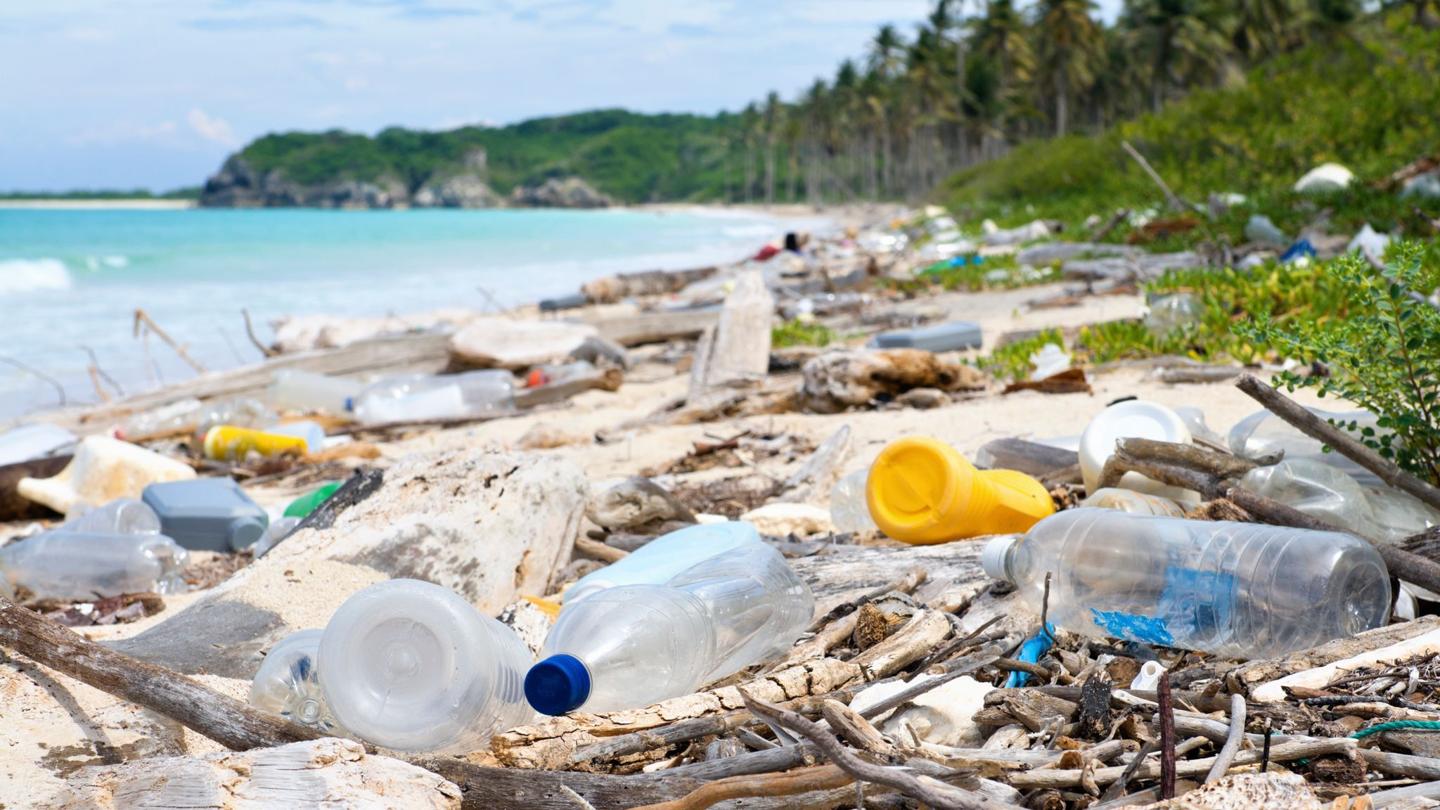 Most of these plastic cups are non-biodegradable and eventually end up in the ocean, threatening marine life. Studies show that over 1 million seabirds and 100,000 marine mammals die each year due to plastic pollution.
The Environmental Benefits of Reusable Drinkware
Compared to disposable drinkware, reusable drinkware offers notable environmental advantages. Take stainless steel cups as an example: they are not only durable but also reduce reliance on disposable plastic cups. Research indicates that each reusable stainless steel cup can replace about 167 disposable plastic cups over its lifetime, significantly reducing plastic waste.
Material Choices and Innovation
The manufacturing materials of eco-friendly drinkware are crucial. More companies are now using biodegradable materials and renewable resources to make drinkware. For instance, bamboo fiber cups are a great eco-friendly alternative; they are naturally non-toxic and fully biodegradable in the environment. Additionally, drinkware made from recycled plastics is gaining popularity, helping to reduce resource consumption and environmental pollution by repurposing plastic waste.
Corporate Responsibility and Consumer Choices
Manufacturers and companies have a responsibility to promote eco-friendliness and sustainability by actively developing and producing eco-friendly products. Companies should also advocate and educate consumers to raise public awareness about environmental protection. For example, through environmental campaigns and promotions, companies can encourage consumers to choose reusable drinkware and reduce the use of disposable cups.
Consumers can make simple changes in their daily lives by opting for eco-friendly drinkware and minimizing the use of disposable products. Each small choice, when combined, can have a significant positive impact on the environment.
Conclusion
The eco-friendliness and sustainability of drinkware are responsibilities shared by both companies and consumers. By choosing eco-friendly materials and promoting reusable drinkware, we can collectively contribute to protecting our planet. Let’s start with the details of our daily lives to create a greener, more sustainable future for the next generation.


